
Take a stroll around your house. Do you see a tree? Look up. Notice the bugs crawling along a branch, tiny spiders hiding beneath leaves, ants moving in a line, or perhaps a caterpillar quietly eating.
Trees are like multi-storeyed apartments for insects. Countless bees, bugs, ants, and butterflies can share a single tree close to our homes. We may pass them every day without a glance. These are the tiny neighbours we forget. But if we look more closely, we may witness the extraordinary transformation of butterflies.
A life cycle beside the road
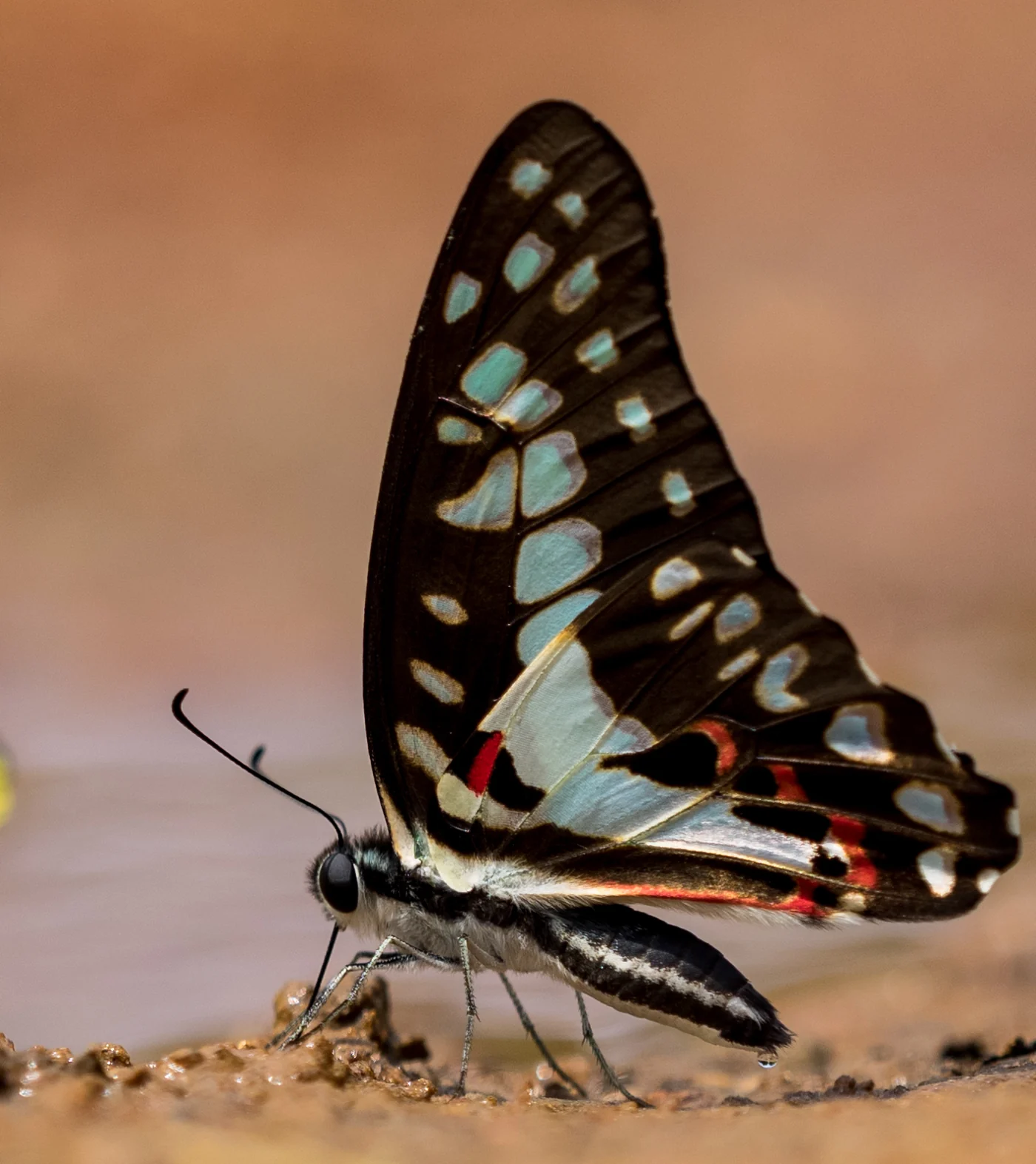
Consider the False Ashoka tree, a familiar sight along Indian roads. We value its vibrant green foliage, but many people do not realise that it is also a host plant for butterflies such as the Common Jay and Tailed Jay.
These are among India's widely seen butterflies, and they may complete their life cycle right beside us. Look carefully at the leaves and you may find small caterpillars camouflaged against the plant.
The overlooked value of wild plants
You may have seen tiny white Psyche butterflies bobbing among wildflowers beside a road. These butterflies rely on indigenous plants that are easily ignored in everyday life. The plants may not match conventional ideas of a tidy or ornamental garden, but they are essential to the survival of our small neighbours.
Many butterflies live close to us, but we rarely notice them. At the same time, we gradually remove their homes.
Butterflies depend on wild and indigenous plants for laying eggs, feeding caterpillars, and finding nectar. We often clear spontaneous plant growth to beautify spaces or make them easier to maintain. But every removal can take away food, shelter, and breeding habitat.
Beautiful—and ecologically important
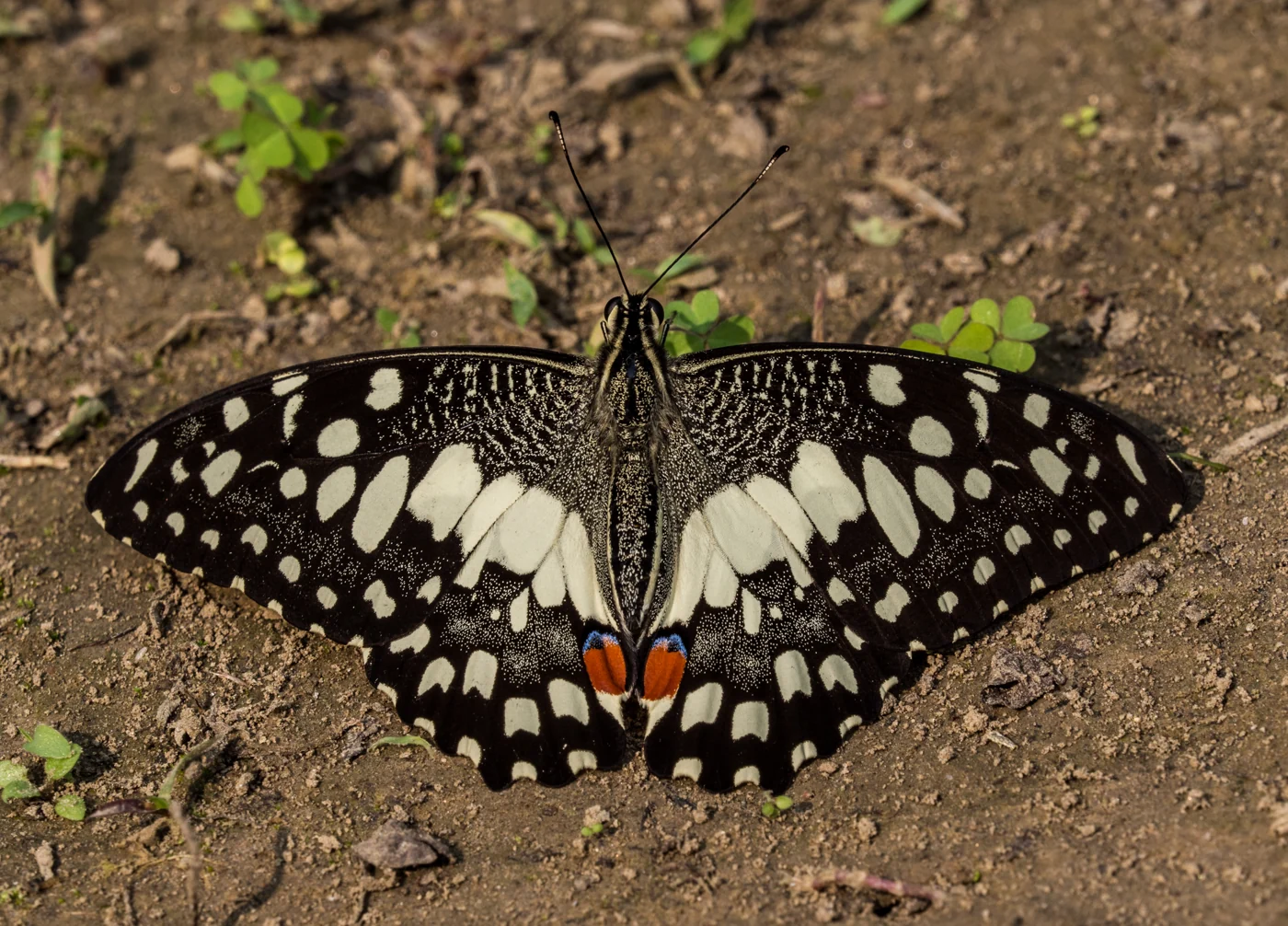
Butterflies are charismatic insects. Children are excited by them, and many people experience calm and delight simply by watching them. But butterflies are more than beautiful neighbours.
They are pollinators, they form part of the food web for many other species, and they can act as bioindicators. Yet we often do too little to protect them.
Butterflies begin life as caterpillars—the very stage people may treat as a garden pest. Pesticides kill them, while ornamental landscaping can deprive butterflies of the plants they need. Once-common butterflies may decline locally, and a diverse butterfly habitat can gradually become a place occupied by only a few highly adaptable species.
Small actions can create habitat
Protecting our tiny neighbours does not always require a large project. Leaving some untidy space with wild growth can help. Planting indigenous trees can create suitable breeding habitat. A kitchen garden can support butterflies when we avoid chemicals and protect caterpillars. Even a balcony can become a resting and feeding place with thoughtful planting.
When these small actions are repeated across homes and communities, they can have lasting impact. Places that support butterflies can also attract birds, dragonflies, bees, and other wildlife.
Nature is connected by an invisible thread of life, and we are one part of it. Our choices help determine what the future will look like.
Make room for curiosity
The metamorphosis of a butterfly can amaze every child and ignite lifelong curiosity. By working together, we can conserve the small neighbourhood habitats around us and help ensure that future generations can experience that wonder too.
Start close to home